Phuket
Investing in Phuket property
Phuket is a tourism-driven market: income comes from rental demand, and returns vary widely by area, unit and management. Here's the realistic picture — benchmark yields, the scenarios that actually work, the strongest rental areas, and the tools to model your own numbers before you commit.
Long-term · gross
~4–6%
Island benchmark, before costs
Short-term · gross
~5–9%
Managed programme; net is lower
Model the numbers →
Net yield, cash flow & payback
Benchmarks are general guidance, not a forecast or guarantee. Actual returns vary — verify with real, recent data per project.
Investment scenarios
High-yield STR condo (beach)
Beach-area condos in managed programmes — the deepest short-term rental demand.
57 projects →
Long-term rental income
Steadier monthly tenancy to residents and long-stay visitors — lower headline yield, less management.
24 projects →
Off-plan capital growth (North)
Early-stage northern projects bought for price appreciation to completion.
3 projects →
Income-oriented projects
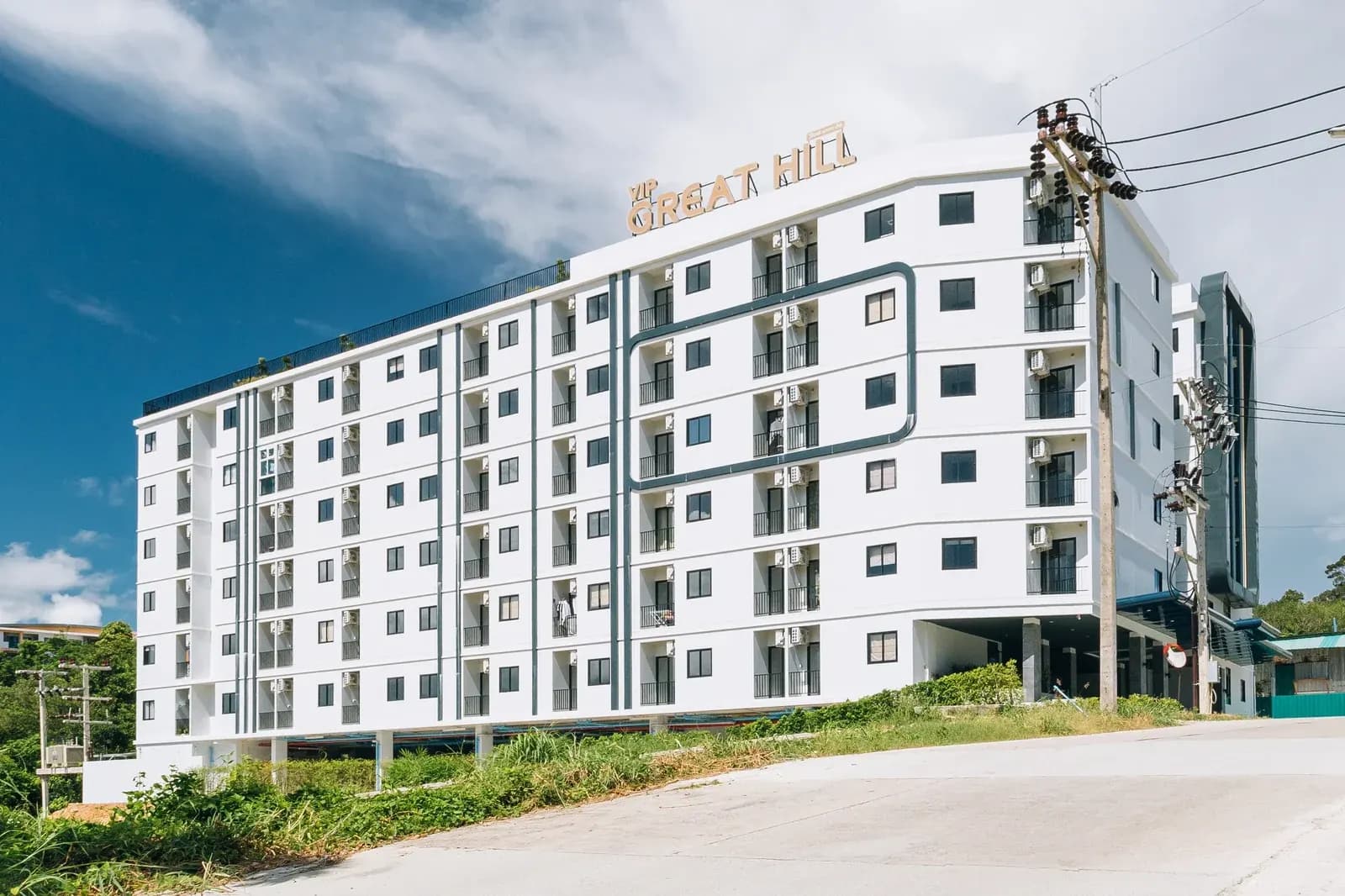





Strongest rental areas
Read the research
Investment FAQ
▸Is Phuket a good place to invest in property?
It rests on one of Asia's largest tourism economies, which underpins rental demand and a mature market for foreign buyers — but it carries tourism-concentration and currency risk. Buy quality in proven locations at a sensible price, and model the net yield, not the headline.
▸What rental yield can I realistically expect?
As island benchmarks: roughly 4–6% gross for long-term and 5–9% gross for managed short-term, before costs. Net is materially lower after management (often 25–35% for short-term), common fees, furnishing and vacancy. These are guides, not guarantees — verify with real, recent operating data per project.
▸Short-term or long-term rental — which is better?
Short-term can earn more per night but is seasonal, costlier to run and needs a hotel-licensed managed programme to be legal. Long-term is steadier and cheaper to manage. It depends on the unit, the area and how hands-on you want to be.
▸Which areas are best for rental income?
For short-term demand: Bang Tao, Patong, Kata and Karon. For steadier long-term tenancy: Rawai and the central/eastern residential belt. Match the area to the strategy, not the other way round.
▸Is off-plan a good way to grow capital?
It can be — buying early in an active area can capture appreciation to completion, and payment plans ease cash flow. The trade-off is completion risk, so weight the developer's track record and payment protections heavily.
▸Is there an oversupply risk?
It's a micro-market question, not an island-wide verdict. A large wave of completions is landing in 2026–2027, concentrated on the west coast, so check absorption and what competes with your specific unit before buying.
Planning an investment?
Tell us your budget and goal — we'll shortlist income-oriented projects and model the real net yield with you.
Message on Telegram